In the world of canine companionship, the debate between purebred and mixed-breed dogs often centers on predictability versus mystery, health versus heritage. While pedigreed dogs come with a blueprint of expected traits and potential health issues, mixed-breed dogs, affectionately known as mutts or "designer hybrids" in some circles, present a fascinating tapestry of genetic diversity. This very diversity is often touted as their greatest health advantage, a concept known as hybrid vigor or heterosis. However, this genetic lottery also extends to their temperament and behavior, creating a delightful yet unpredictable package for any potential owner.
The cornerstone of the mixed-breed dog's appeal from a health perspective lies in its expansive and varied gene pool. Purebred dogs, bred for specific physical and behavioral characteristics over generations, often suffer from a limited genetic foundation. This selective breeding, while achieving consistency in appearance, inadvertently amplifies the risk of hereditary diseases. Conditions like hip dysplasia in German Shepherds, breathing problems in Bulldogs, or certain heart conditions in Cavalier King Charles Spaniels are well-documented breed-specific ailments. The gene pool for these breeds is a small, deep well, and sometimes it's poisoned. In stark contrast, a mixed-breed dog is the product of a much wider, more diverse genetic reservoir. It's like comparing a secluded village to a sprawling, cosmopolitan metropolis. The chance of two recessive genes for a particular disorder meeting up is statistically much lower. This doesn't render the mutt immune to disease—all dogs can suffer from illness or age-related issues—but it significantly reduces the likelihood of those severe, genetically predetermined conditions that can plague their purebred counterparts. This genetic lottery ticket often results in a generally hardier, more robust animal with a longer potential lifespan and fewer expensive, heartbreaking vet bills.
Beyond the internal workings of their biology, this hardiness often manifests in overall vitality. Many owners of mixed-breed dogs report animals with seemingly boundless energy, strong immune systems, and a resilience that is sometimes absent in more delicately bred purebreds. They are the survivors, the street-smart scoundrels whose ancestors were not coddled in kennels but who thrived on their wits and genetic fitness. This is not to romanticize stray dog populations, but to highlight a Darwinian truth: the dogs that contribute to mixed-breed lineages are often those robust enough to survive and reproduce in challenging environments. This natural selection, however brutal, can contribute to a foundation of inherent strength passed down to their offspring, even those born in the safety of a shelter or foster home.
Yet, for all these potential health benefits, the mixed-breed dog presents its owner with a beautiful enigma: its personality. While a prospective buyer of a Labrador Retriever can be reasonably confident they are getting an affable, food-motivated family dog, and a buyer of a Border Collie should prepare for an intelligent, high-energy workaholic, the adopter of a mixed-breed puppy often has no such roadmap. Their character is a cocktail of unknown breeds, shaken and stirred with individual spirit and life experience. This is the great adventure and the significant challenge of choosing a mutt. You are not choosing a product with a known specification sheet; you are embarking on a relationship with a unique individual whose final form and temperament are yet to be fully revealed.
This uncertainty stems from the fact that behavior and temperament are polygenic traits, influenced by many genes interacting in complex ways. Without knowing the precise breed makeup, predicting whether a puppy will grow into a high-energy dog requiring miles of daily running or a placid couch companion is incredibly difficult. A shelter might label a puppy as a "Lab mix" based on a vague physical resemblance, but that puppy could just as easily have significant amounts of herding dog or guardian breed in its ancestry, leading to vastly different adult behaviors. This can lead to a mismatch between a dog's needs and an owner's lifestyle, a primary reason animals are sometimes returned to shelters. An unsuspecting family in a small apartment, prepared for a gentle Labrador-like personality, might find themselves overwhelmed by the intense drive and energy of a dog that turns out to be primarily Cattle Dog and Terrier.
However, this unpredictability is not inherently a negative; it is merely a factor that requires a different approach from potential owners. It demands flexibility, patience, and a commitment to meeting the dog as an individual, not as a representative of a breed. It asks an owner to be a detective, observing their dog's instincts—does it chase and herd? does it point? is it aloof or overly friendly with strangers?—and tailoring training and enrichment accordingly. Furthermore, for adult mixed-breed dogs in shelters, much of the guesswork is eliminated. What you see is far more likely to be what you get. Their size is established, their energy level is observable, and shelter staff can often provide valuable insights into their personality after spending weeks or months with them. Adopting an adult mutt offers the fantastic health benefits of hybrid vigor while providing a much clearer picture of the companion you are bringing home.
Ultimately, the decision to welcome a mixed-breed dog into your life is a choice to value resilience and individuality over predictability. It is an acceptance of a certain level of mystery, a agreement to love and adapt to the creature that emerges as it grows from a puppy into a dog, or to embrace the established soul of an adult rescue. The reward for this acceptance is profound. It is the knowledge that you provided a home to an animal in need, and in return, you gained a companion whose unique blend of genes has likely gifted it with a strong body and a singular, unforgettable spirit. The mixed-breed dog is a testament to the power of genetic diversity and a reminder that the best things in life are often not the ones that come with a pedigree certificate, but the ones that arrive with a wagging tail and a story waiting to be told.
In the world of canine companions, mixed-breed dogs hold a special place, often celebrated for their unique appearances and the delightful unpredictability of their traits. Unlike their purebred counterparts, whose lineage is meticulously documented, mixed-breed dogs present an intriguing puzzle. Determining the possible breed combinations in a mixed-breed dog is a fascinating endeavor that blends art, science, and a good deal of observation. It's a journey into a dog's physical being and personality, offering clues to a heritage that is as complex as it is charming.
In the world of canine companions, designer breeds have surged in popularity over the past few decades, with Doodles leading the charge. These charming hybrids, often a cross between a Poodle and another purebred dog like a Labrador, Golden Retriever, or even a Bernese Mountain Dog, are celebrated for their intelligence, friendly demeanor, and, most notably, their hypoallergenic coats. However, beneath the appealing exterior and the promises of being the perfect family pet lies a complex reality that potential owners must carefully consider, particularly regarding their famed coats and the overarching health commitments associated with these breeds.
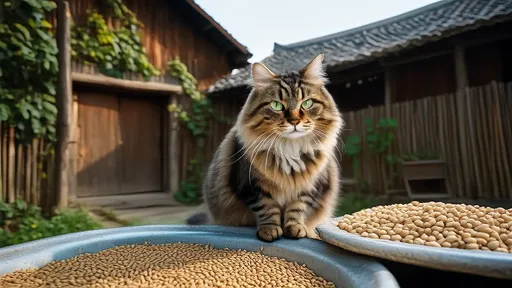
In the bustling urban landscapes and quiet rural corners of China, a particular feline has carved out a remarkable niche for itself. The Chinese Domestic Cat, often affectionately referred to as the "Tang Cat" or "Tuxedo Cat" in the West, is a testament to resilience, intelligence, and an almost preternatural ability to adapt. This is not a story of a single, standardized breed, but rather a celebration of a diverse and hardy population of cats that have thrived alongside humans for centuries, developing a unique set of survival skills that seamlessly translate into their modern roles as beloved companions.
In the world of canine companionship, the debate between purebred and mixed-breed dogs often centers on predictability versus mystery, health versus heritage. While pedigreed dogs come with a blueprint of expected traits and potential health issues, mixed-breed dogs, affectionately known as mutts or "designer hybrids" in some circles, present a fascinating tapestry of genetic diversity. This very diversity is often touted as their greatest health advantage, a concept known as hybrid vigor or heterosis. However, this genetic lottery also extends to their temperament and behavior, creating a delightful yet unpredictable package for any potential owner.
In the world of purebred pets, the decision to bring a new companion into your home carries significant ethical weight. The allure of a specific breed, with its predictable traits and appearance, often draws prospective owners to seek out pedigreed animals. However, the journey to responsible ownership begins long before the puppy or kitten arrives at your doorstep. It starts with the critical choice of where to acquire your future family member. The source of your pet is not merely a transactional detail; it is a statement of values and a commitment to animal welfare. The landscape of breeders is varied, ranging from highly ethical preservationists to profit-driven operations with little regard for the well-being of their animals. Navigating this terrain requires diligence, research, and a firm understanding of what constitutes a responsible breeding establishment.
For fitness enthusiasts who love to share their active lifestyle with a four-legged companion, selecting the right breed is more than a matter of preference—it's a partnership. The ideal running or cycling partner possesses a unique blend of endurance, temperament, and physical build, capable of matching pace and spirit over miles of trail or road. Not every dog is built for the long haul; some are sprinters, others are couch connoisseurs. The breeds that thrive in these activities are those bred for work, endurance, and a deep-seated desire to be by their human's side, stride for stride.
When considering the addition of a new feline member to a household already bustling with other pets, the choice of breed becomes paramount. Not every cat possesses the temperament to thrive in a multi-pet environment; some are solitary by nature, while others seem to greet every creature, great and small, with a curious purr and a friendly head-butt. The key to a harmonious home lies in selecting a breed whose inherent personality is predisposed to tolerance, patience, and a certain level of social flexibility. This analysis delves into the core characteristics of those feline breeds most celebrated for their ability to forge peaceful and even affectionate relationships with other animals.
In the world of canine companionship, few roles are as demanding and nuanced as that of the guardian breed. These dogs, forged through centuries of selective breeding for protection, territorial defense, and unwavering loyalty, possess a formidable set of instincts. The modern dog owner, however, rarely lives on a secluded estate requiring constant vigilance. More often, they reside in suburban homes and bustling apartments, seeking not just a protector but a beloved family member. This creates a fascinating and complex challenge: harmonizing the powerful, innate work drive of a guardian breed with the gentle, predictable rhythms of domestic life. The journey is not about suppressing their nature, but about channeling it, transforming raw potential into a stable, reliable, and integrated family partner.
When considering bringing a canine companion into one's life, the choice between a large and a small breed is often one of the first and most significant decisions. This choice extends far beyond mere aesthetic preference or the size of one's living space; it is a commitment that encompasses years of care, financial planning, and emotional investment. The differences in lifespan, common health ailments, and overall cost of ownership between these two size categories are profound and warrant a deep and thoughtful examination. Potential owners must look beyond the initial appeal of a fluffy puppy or a stately guardian to understand the long-term realities of their chosen companion.
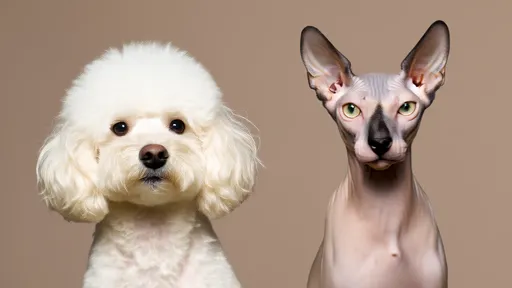
For pet lovers who cherish both companionship and a clean home, the quest for low-shedding pets is a common priority. While no animal is entirely hypoallergenic or completely non-shedding, certain breeds of dogs and cats are renowned for their minimal shedding, making them ideal for individuals with allergies or those who simply prefer less fur on their furniture and clothing. This guide explores a variety of these remarkable breeds, from the ever-popular Poodle to the unique and hairless Sphynx, detailing their characteristics and what makes them stand out in the world of low-maintenance grooming.
For those embarking on the rewarding journey of dog ownership for the first time, selecting the right breed can be a daunting task. The sheer number of breeds, each with its own unique set of characteristics, energy levels, and grooming needs, can easily overwhelm a novice. The key to a successful and harmonious relationship with your new canine companion lies in choosing a breed known for its trainability and agreeable temperament. An easily trainable dog is not merely a convenience; it is the foundation for a safe, well-behaved pet that can integrate seamlessly into your family and lifestyle. This guide is designed to steer first-time owners toward some of the most receptive and good-natured breeds, helping to avoid common pitfalls and set the stage for years of joy and companionship.
For the urban professional whose schedule is dominated by meetings, deadlines, and the relentless pace of city life, the desire for companionship often clashes with the reality of limited time. The image of a lonely pet waiting by the door can be a significant deterrent. However, the world of feline companionship offers a surprising solution: the independent cat. Far from the stereotype of aloofness, these self-sufficient breeds represent not a lack of affection, but a profound understanding of personal space, making them the perfect, low-maintenance partners for those with demanding careers.
For families with children, choosing the right dog breed is a significant decision that goes beyond mere aesthetics or trends. It involves considering temperament, energy levels, size, and the dog's natural affinity for young companions. A well-matched canine can become not just a pet, but a loyal protector, a patient playmate, and a cherished member of the family, teaching children invaluable lessons about responsibility, empathy, and unconditional love. The journey to find this perfect furry addition requires careful thought and research into breeds known for their gentle and reliable nature around the bustling energy of a household full of kids.
For countless individuals, the companionship of a pet is a cherished part of life. Yet, for a significant portion of the population, this simple joy is complicated by the unwelcome arrival of sneezing, itchy eyes, and respiratory distress—the hallmarks of pet allergies. The dream of a furry friend can seem perpetually out of reach. However, a growing body of research and anecdotal evidence suggests that the solution may not be a life devoid of pets, but rather a more informed selection process. The concept of "hypoallergenic" cats and dogs has moved from a fringe idea to a mainstream topic of discussion among breeders, veterinarians, and allergists alike.
When selecting a canine companion for apartment living, two critical factors often dominate the conversation: exercise needs and vocalization tendencies. These elements can make the difference between a harmonious home and a stressful situation for both the resident and their neighbors. While a sprawling backyard might forgive a high-energy breed, the confined space of an apartment demands a more considered approach. This analysis delves into the nuanced world of apartment-friendly dogs, moving beyond simple breed lists to explore the intricate balance of a dog's physical and vocal requirements.
In recent years, the presence of emotional support animals has surged, offering solace and stability to individuals grappling with emotional or psychological challenges. Among these animals, miniature horses have emerged as a particularly unique and effective option. Their calm demeanor, intelligence, and longer lifespan compared to traditional support animals like dogs make them an appealing choice for many. However, the decision to adopt a miniature horse as an emotional support animal is not one to be taken lightly. It requires a deep understanding of their distinct care needs, which extend far beyond those of more common companions.
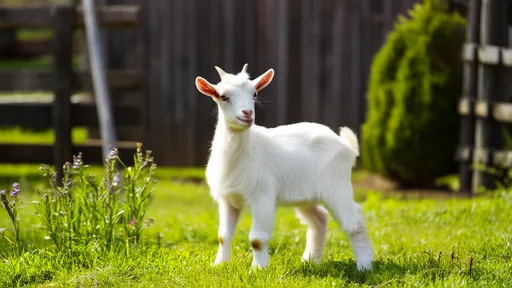
When one pictures a companion animal, the mind typically drifts toward the familiar territory of dogs or cats, perhaps even the occasional rabbit or hamster. Yet, in recent years, a quiet but steady trend has emerged, bringing a much larger and more pastoral creature into the domestic sphere: the pet goat. The image of a goat contentedly chewing its cud in a suburban backyard is no longer a mere curiosity but a reality for a growing number of enthusiasts. However, the decision to welcome a goat into one's life is not one to be taken lightly. It is a commitment that hinges on two critical, and often underestimated, pillars: the provision of adequate space and a deep, honest assessment of whether a goat's unique nature aligns with one's expectations of companionship. This is not a pet for the faint of heart or the limited of land, but for those who can meet its needs, the rewards are as substantial as the animal itself.
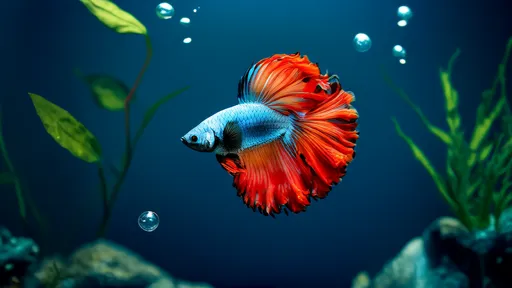
In the hushed world of home aquariums, few fish command attention like the Siamese fighting fish, universally known as the Betta. With flowing, iridescent fins that drift like silk scarves in water and a palette of colors that seems stolen from a tropical sunset, the Betta is a living jewel. Yet, this breathtaking beauty comes with a paradox, a solitary nature so profound it has earned the species a stark warning label in pet stores worldwide: do not house males together. This is not merely a suggestion but a fundamental rule written in the language of survival and instinct.
For many aquarium enthusiasts, the vibrant and lively guppy presents both a delightful spectacle and a significant challenge. These small, colorful fish are renowned for their prolific breeding habits, often leading to a rapidly expanding population that can quickly overwhelm a home aquarium. The initial joy of witnessing new life can swiftly turn into concern as the tank becomes overcrowded, stressing both the fish and their keeper. Managing this population growth is not merely a suggestion but a critical component of responsible guppy husbandry, essential for the health and stability of the aquatic environment.
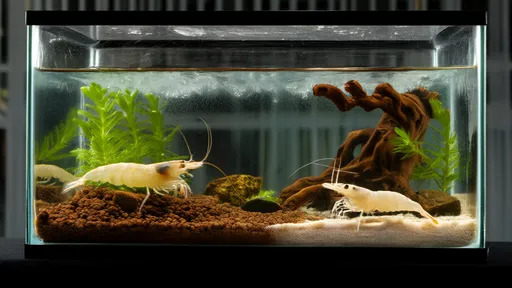
For aquarists venturing into the specialized world of ornamental shrimp keeping, the choice between the starkly beautiful Crystal Red Shrimp and the vibrantly colored Red Cherry Shrimp, particularly its high-grade form, the Fire Red Shrimp, is a common and exciting crossroads. While both offer immense visual reward, their successful cultivation hinges on a profound understanding of their distinct environmental needs, with water parameters being the single most critical factor separating a thriving colony from a failing one. This deep dive into their specific requirements will arm you with the knowledge to create a stable, ideal habitat for either species.